
A Perfect Home Is a Stress Trap
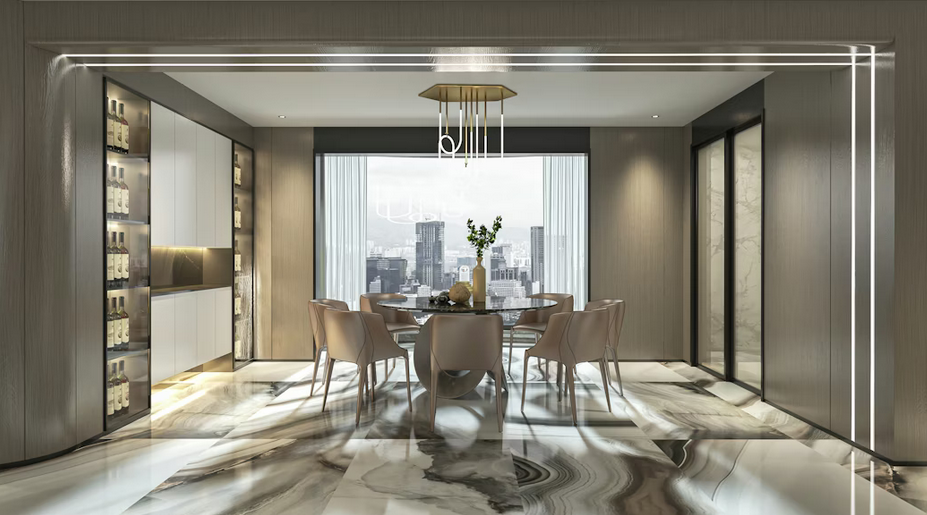
Somewhere along the way, “home” stopped meaning a place to rest and started meaning a place to maintain. Thanks to social media, home makeover shows, and endless organizing content, we’ve been sold the idea that a perfect home equals a peaceful life. But for many people, the opposite is true. The more perfect the house is supposed to be, the more tense, overwhelmed, and exhausted they feel living in it.
The Myth That Clean Equals Calm
A tidy space can be soothing, but the belief that your home must always look perfect to feel calm is a heavy burden. When calm depends on spotless counters and flawless decor, peace becomes fragile. One spilled drink, one pile of laundry, or one unexpected guest can send stress levels through the roof. A home meant to support you ends up feeling like something you have to constantly manage.
Perfection Turns Your Home Into a Job
When your standards are sky-high, your house becomes another unpaid full-time job. There’s always something that needs wiping, rearranging, upgrading, or fixing. Instead of relaxing at home, you’re mentally scanning for flaws. This constant vigilance keeps your nervous system switched on, even in the one place where it should be able to power down.
Comparison Fuels the Anxiety
It’s hard to feel good about your space when you’re comparing it to highlight reels online. Perfectly styled living rooms and color-coordinated pantries make normal homes look messy by comparison. The problem isn’t your house—it’s the unrealistic standard. Comparison convinces you that your home is never enough, even if it’s clean, functional, and full of life.
Guests Become a Source of Stress

A home obsessed with perfection often isn’t very welcoming, even if it looks beautiful. Surprise visits cause panic. Hosting feels like pressure instead of pleasure. You’re more focused on how the house looks than how people feel inside it. Ironically, the quest for the perfect home can create emotional distance rather than warmth.
Mess Often Means Life Is Happening
A truly lived-in home reflects real life. Toys on the floor, dishes in the sink, shoes by the door—these are signs of connection, activity, and presence. When you treat every bit of mess as a failure, you start fighting against life itself. Trying to erase evidence of living can quietly drain joy from your everyday routines.
Control Masquerades as Productivity
For many people, the urge for a perfect home isn’t really about cleanliness—it’s about control. When life feels uncertain or overwhelming, controlling your environment can feel grounding. But when control turns rigid, it backfires. Instead of soothing anxiety, it feeds it, creating a loop where you clean to feel better, but never actually feel done.
Comfort Matters More Than Appearance
A peaceful home isn’t the cleanest one—it’s the safest one. Safe to rest, safe to be imperfect, safe to exist without constant correction. Comfort comes from softness, familiarity, and flexibility, not from magazine-level organization. When your home works for you instead of impressing others, stress naturally starts to ease.
A perfect home is a stress trap because perfection demands constant effort and offers very little rest in return. Letting your home be functional, cozy, and imperfect doesn’t mean giving up—it means choosing peace over pressure. Your home doesn’t need to be flawless to be good. It just needs to support the life happening inside it.…
